

Introduction
Industrial infrastructure plays a decisive role in shaping the productivity and competitiveness of a nation. It provides the physical and technological foundation required for manufacturing, logistics, trade, and innovation. Countries that invest in strong industrial infrastructure typically experience higher output levels, improved efficiency, and sustained economic growth.
Productivity growth depends not only on workforce capability but also on the systems that support production and distribution. Transportation networks, energy supply, industrial zones, communication systems, and logistics platforms allow industries to operate efficiently and expand their reach across domestic and international markets. As global competition intensifies, industrial infrastructure has become a strategic priority for governments seeking long term economic resilience.
Understanding how industrial infrastructure supports national productivity growth helps policymakers and business leaders design strategies that strengthen economic performance and improve living standards.
Understanding Industrial Infrastructure
Industrial infrastructure refers to the facilities, systems, and services that support production, manufacturing, and distribution activities across an economy. It includes both physical structures and technological platforms that enable industries to function efficiently.
Key components of industrial infrastructure include:
- Transportation networks
- Energy supply systems
- Industrial parks and special economic zones
- Warehousing and logistics facilities
- Communication and digital infrastructure
These components work together to create an environment where industries can operate at scale and maintain consistent productivity.
The Relationship Between Infrastructure and Productivity Growth
National productivity reflects how efficiently a country uses its resources to produce goods and services. Industrial infrastructure improves productivity by reducing operational delays, lowering costs, and supporting innovation.
Infrastructure investments contribute to productivity growth by:
- Improving supply chain efficiency
- Reducing transportation time
- Supporting access to raw materials
- Enabling faster communication
- Encouraging industrial expansion
Countries with reliable infrastructure systems are better positioned to compete in global markets and attract investment.
Transportation Networks as Productivity Enablers
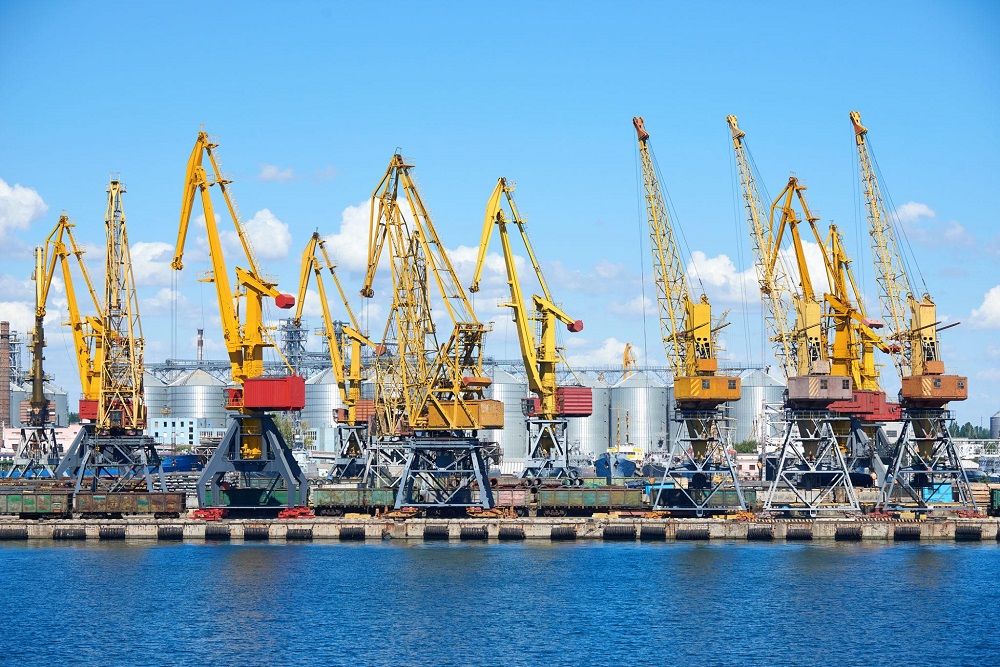
Efficient transportation systems allow industries to move raw materials and finished goods quickly and reliably. Roadways, railways, ports, and airports form the backbone of national industrial productivity.
Transportation infrastructure supports productivity by:
- Reducing delivery time
- Lowering logistics costs
- Expanding market access
- Supporting export activities
Well connected transportation networks improve coordination between production centers and distribution hubs, strengthening industrial performance.
Reliable Energy Supply and Industrial Output
Energy availability is essential for maintaining consistent production levels. Manufacturing facilities depend on uninterrupted electricity and fuel supplies to operate machinery and maintain production schedules.
Reliable energy infrastructure supports productivity by:
- Preventing production interruptions
- Supporting automation technologies
- Enabling continuous operations
- Reducing operational uncertainty
Countries that invest in stable energy systems create favorable conditions for industrial growth and innovation.
Industrial Parks and Special Economic Zones
Industrial parks and special economic zones provide structured environments designed to support manufacturing activities. These zones offer shared infrastructure, streamlined regulations, and improved connectivity.
Benefits of industrial zones include:
- Reduced infrastructure costs for businesses
- Improved access to transportation networks
- Availability of skilled labor clusters
- Simplified regulatory procedures
Such zones encourage industrial concentration, which improves productivity through collaboration and resource sharing.
Digital Infrastructure Supporting Modern Industries
Digital infrastructure has become a central component of industrial productivity. Communication networks, data centers, and cloud platforms support coordination between production systems and supply chains.
Digital infrastructure enhances productivity by:
- Supporting automation technologies
- Improving real time communication
- Enabling predictive maintenance systems
- Strengthening logistics coordination
Industries that integrate digital tools operate more efficiently and adapt quickly to market changes.
Logistics and Warehousing Systems
Efficient logistics systems ensure smooth movement of goods between production centers and markets. Warehousing infrastructure supports storage, inventory management, and distribution operations.
Modern logistics infrastructure contributes to productivity by:
- Reducing inventory losses
- Improving delivery reliability
- Supporting export readiness
- Enhancing supply chain transparency
Advanced logistics systems help industries maintain consistent output levels and respond quickly to demand changes.
Skilled Workforce Infrastructure and Training Systems
Industrial productivity depends not only on machines and facilities but also on workforce capability. Training centers, technical institutes, and vocational education programs support skill development required for modern industries.
Workforce infrastructure contributes to productivity by:
- Preparing employees for technical roles
- Supporting continuous learning
- Encouraging innovation capabilities
- Strengthening operational efficiency
Nations that invest in workforce training strengthen their industrial competitiveness.
Role of Research and Innovation Infrastructure
Research institutions and innovation centers play an essential role in supporting industrial advancement. These facilities encourage collaboration between universities, industries, and government agencies.
Innovation infrastructure improves productivity by:
- Supporting technology development
- Encouraging process improvement
- Enhancing product quality
- Strengthening global competitiveness
Countries that invest in research infrastructure create strong foundations for long term productivity growth.
Industrial Infrastructure and Export Competitiveness
Export performance depends heavily on infrastructure quality. Efficient logistics systems, reliable transportation networks, and streamlined industrial zones enable industries to compete internationally.
Infrastructure supports export competitiveness by:
- Reducing shipping delays
- Improving product delivery reliability
- Supporting large scale production
- Lowering transaction costs
Improved export performance strengthens national productivity and economic stability.
Public Investment and Policy Support
Government investment plays a critical role in developing industrial infrastructure. Strategic planning ensures that infrastructure projects align with national productivity goals.
Policy support includes:
- Infrastructure financing programs
- Industrial corridor development initiatives
- Regulatory improvements
- Public private partnerships
Strong policy frameworks encourage private sector participation in infrastructure development.
Industrial Infrastructure and Regional Development
Industrial infrastructure supports balanced regional growth by connecting rural areas with production centers and markets. Infrastructure expansion reduces economic disparities between regions.
Regional infrastructure development contributes to productivity by:
- Expanding employment opportunities
- Encouraging investment outside major cities
- Supporting local manufacturing activities
- Improving transportation accessibility
Balanced development strengthens national economic resilience.
Environmental Sustainability in Industrial Infrastructure
Modern industrial infrastructure increasingly incorporates environmentally responsible practices. Sustainable infrastructure supports productivity while protecting natural resources.
Sustainability initiatives include:
- Adoption of energy efficient systems
- Development of renewable energy infrastructure
- Waste management improvements
- Water conservation technologies
Sustainable infrastructure ensures long term industrial stability.
Challenges in Developing Industrial Infrastructure
Despite its importance, infrastructure development involves several challenges that must be addressed through careful planning and investment.
Common challenges include:
- High capital investment requirements
- Long project implementation timelines
- Land acquisition complexities
- Environmental compliance requirements
Addressing these challenges requires coordinated efforts between governments and private investors.
Role of Public Private Partnerships in Infrastructure Development
Public private partnerships support infrastructure expansion by combining government resources with private sector expertise. These partnerships accelerate project implementation and improve operational efficiency.
Benefits of collaborative infrastructure development include:
- Faster project completion
- Shared financial responsibilities
- Improved management efficiency
- Access to advanced technologies
Collaborative investment models strengthen national infrastructure capacity.
Future Trends in Industrial Infrastructure Development
Emerging technologies are reshaping how infrastructure supports industrial productivity. Smart infrastructure systems integrate digital monitoring tools that improve performance and efficiency.
Future infrastructure developments may include:
- Intelligent transportation systems
- Automated logistics networks
- Renewable energy powered industrial zones
- Smart manufacturing facilities
These innovations will further strengthen productivity growth across national economies.
Conclusion
Industrial infrastructure forms the backbone of national productivity growth by supporting manufacturing efficiency, logistics coordination, workforce development, and innovation capacity. Strong infrastructure systems enable industries to operate reliably and compete effectively in global markets.
Governments and industries that invest in modern infrastructure strengthen economic resilience and support long term development. As technology continues to evolve, industrial infrastructure will remain a central driver of national productivity and sustainable economic progress.
Frequently Asked Questions
1. How does infrastructure quality influence manufacturing costs
Efficient infrastructure reduces transportation delays, energy interruptions, and logistics expenses, which lowers overall production costs.
2. Why are industrial corridors important for productivity growth
Industrial corridors connect manufacturing centers with transportation networks, improving supply chain efficiency and supporting regional development.
3. What role do ports play in national industrial productivity
Ports enable efficient international trade by supporting large scale export and import activities for industrial sectors.
4. How does infrastructure investment attract foreign industries
Reliable infrastructure reduces operational risks and improves production efficiency, making countries more attractive to international investors.
5. Can infrastructure development support small and medium enterprises
Yes, improved infrastructure allows smaller businesses to access markets, logistics networks, and production resources more easily.
6. How does infrastructure modernization affect supply chain resilience
Modern infrastructure improves coordination, reduces disruptions, and strengthens response capabilities during unexpected events.
7. Why is long term infrastructure planning necessary for productivity growth
Long term planning ensures infrastructure systems remain aligned with future industrial needs and technological developments.

Comments are closed.