
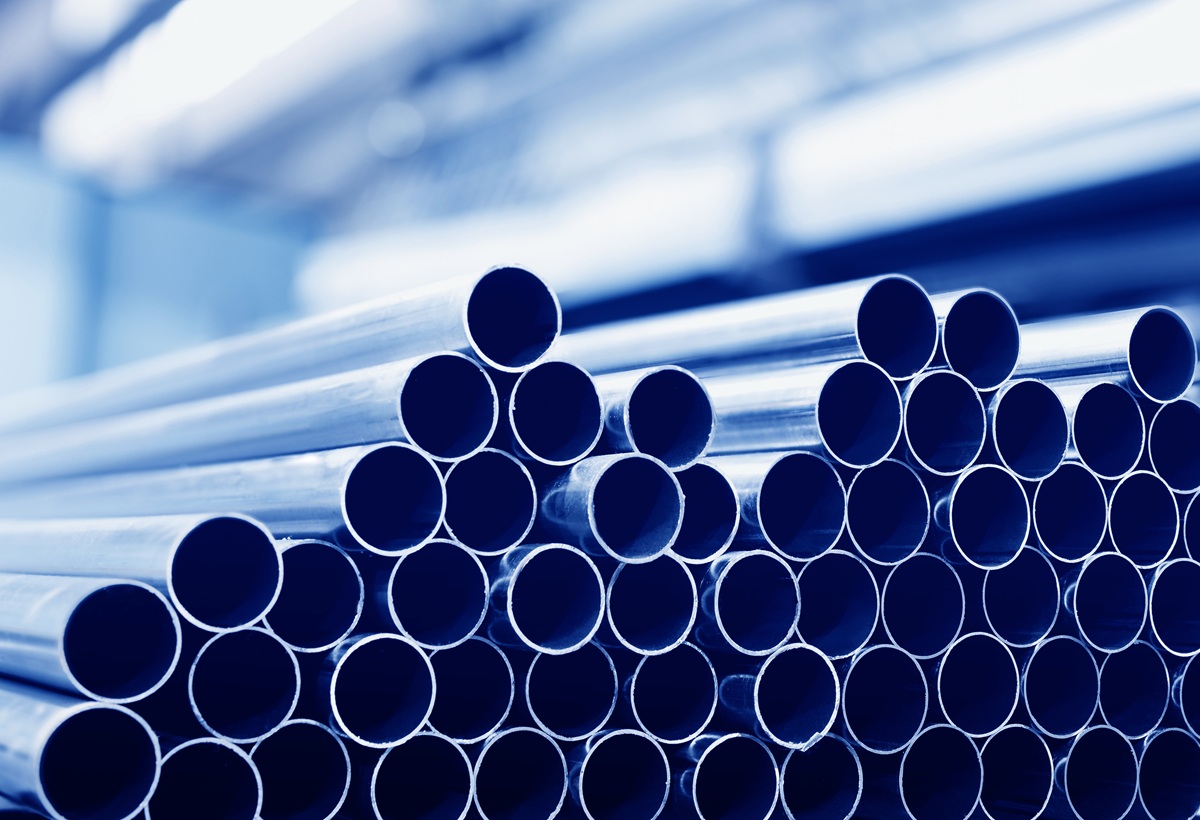

Stainless steel. The name itself conjures images of sleek, modern kitchens and robust industrial machinery. But what makes it so ubiquitous? The secret lies in its versatility, particularly when formed into tubing. From the mundane to the magnificent, the applications of stainless steel tubing are seemingly endless. If you’ve ever wondered about the hidden world of stainless steel and its tubular forms, you’re in the right place. This comprehensive guide will explore the myriad ways this material shapes our world, offering insights into its uses, benefits, and why it remains a cornerstone of modern engineering and design.
Think of it like this: stainless steel is the superhero of metals, and tubing is its superpower. Imagine a world without reliable plumbing, hygienic food processing, or the structural integrity of buildings. Stainless steel tubing plays a critical, often unseen, role in all of these. So, let’s delve into the world of this invaluable material and discover just how much we rely on it.
The Core Benefits of Stainless Steel Tubing
Before we dive into specific applications, it’s crucial to understand why stainless steel, particularly in its tubular form, is so highly valued. The answer boils down to a few key advantages:
- Corrosion Resistance: This is the big one. Stainless steel’s chromium content forms a passive layer that prevents rust and corrosion, making it ideal for environments where other metals would quickly degrade. Think of coastal regions with salty air or chemical processing plants where harsh substances are commonplace.
- Strength and Durability: Stainless steel is incredibly strong and can withstand high pressures and temperatures. This makes it suitable for demanding applications like hydraulic systems and power generation.
- Hygiene: Its non-porous surface prevents the growth of bacteria and is easy to clean, making it a top choice for food processing, pharmaceuticals, and medical equipment.
- Aesthetic Appeal: Let’s be honest, stainless steel looks good. Its sleek, modern appearance makes it a popular choice for architectural applications and decorative elements.
- Recyclability: Stainless steel is 100% recyclable, making it an environmentally friendly choice.
Applications Across Industries
Now, let’s explore some of the diverse industries where stainless steel tubing shines:
Plumbing and Water Treatment
Perhaps one of the most common applications is in plumbing systems. Stainless steel tubing provides a safe, durable, and hygienic way to transport potable water. Unlike copper, it doesn’t leach harmful chemicals into the water supply, and unlike PVC, it can withstand high temperatures. Moreover, the use of durable stainless steel pipe in water treatment plants ensures the safe and efficient processing of water for communities.
Food and Beverage Industry
Hygiene is paramount in the food and beverage industry, and stainless steel tubing is the material of choice for transporting liquids and gases. From breweries to dairy farms, its smooth, non-porous surface prevents bacterial contamination and ensures product purity. Imagine the complex network of stainless steel tubes that snakes through a modern brewery, carrying everything from water and wort to beer itself!
Pharmaceuticals and Medical Equipment
Similar to the food industry, the pharmaceutical industry demands the highest levels of hygiene. Stainless steel tubing is used in the manufacturing of drugs, medical devices, and laboratory equipment. Its resistance to corrosion and ease of sterilisation make it an indispensable material in this critical sector. Have you ever considered the role of stainless steel in the syringes used to administer life-saving vaccines?
Chemical Processing
Chemical processing plants deal with highly corrosive substances, and stainless steel tubing is uniquely suited to withstand these harsh environments. It’s used to transport chemicals, acids, and other aggressive fluids, ensuring safety and preventing leaks that could have devastating consequences. The robustness of stainless steel in these applications is truly remarkable.
Oil and Gas Industry
The oil and gas industry relies heavily on stainless steel tubing for transporting oil, gas, and other fluids, both onshore and offshore. Its strength, durability, and corrosion resistance are essential in these demanding environments, where failure is not an option. Think of the miles of stainless steel tubing that run beneath the ocean floor, carrying vital resources to our homes and businesses.
Automotive Industry
From exhaust systems to fuel lines, stainless steel tubing plays a crucial role in the automotive industry. Its ability to withstand high temperatures and pressures makes it ideal for these demanding applications. It also contributes to the longevity and reliability of vehicles. Did you know that stainless steel also improves the overall efficiency of a car’s engine?
Aerospace Industry
The aerospace industry demands materials that are both strong and lightweight, and stainless steel tubing fits the bill perfectly. It’s used in hydraulic systems, fuel lines, and structural components of aircraft. The precision and reliability of stainless steel are critical for ensuring the safety of air travel. It’s a small component with a huge impact.
Construction and Architecture
Stainless steel tubing is increasingly used in construction and architecture for its aesthetic appeal and structural properties. It’s used in handrails, balustrades, support structures, and decorative elements. Its sleek, modern appearance adds a touch of elegance to buildings and public spaces. Next time you’re in a modern building, take a closer look – you might be surprised how much stainless steel stainless steel tubing you see.
Renewable Energy
As the world transitions to renewable energy sources, stainless steel tubing is playing an increasingly important role. It’s used in solar thermal systems to transport heat transfer fluids and in geothermal plants to extract heat from the earth. Its durability and corrosion resistance make it a reliable choice for these long-term investments.
Choosing the Right Stainless Steel Tubing
With so many different grades and sizes of stainless steel tubing available, choosing the right one for your application can be daunting. Here are a few factors to consider:
- Grade of Stainless Steel: Different grades of stainless steel have different properties. For example, 304 stainless steel is a general-purpose grade that’s suitable for many applications, while 316 stainless steel offers superior corrosion resistance in harsh environments.
- Size and Wall Thickness: The size and wall thickness of the tubing will depend on the pressure and flow rate requirements of your application.
- Welding Requirements: If you need to weld the tubing, make sure to choose a grade that’s easily weldable.
- Surface Finish: The surface finish of the tubing can affect its corrosion resistance and aesthetic appeal.
It’s always best to consult with a qualified engineer or supplier to determine the best stainless steel tubing for your specific needs.
The Future of Stainless Steel Tubing
As technology advances and new industries emerge, the applications of stainless steel tubing are likely to expand even further. From advanced medical devices to sustainable energy solutions, this versatile material will continue to play a vital role in shaping our world. What new innovations will leverage the unique properties of stainless steel in the years to come? Only time will tell, but one thing is certain: stainless steel tubing is here to stay.
Also Read: 5 Unexpected Benefits of Using Stainless Steel Tubing
Frequently Asked Questions
1. What are the main advantages of using stainless steel tubing over other materials?
Stainless steel tubing offers superior corrosion resistance, strength, durability, hygiene, aesthetic appeal, and recyclability compared to materials like copper, PVC, or carbon steel. This makes it a versatile choice for a wide range of applications.
2. Is stainless steel tubing expensive?
While stainless steel tubing may have a higher upfront cost than some other materials, its long lifespan and low maintenance requirements often make it a more cost-effective choice in the long run. Consider the total cost of ownership, including replacement and maintenance, when making your decision.
3. Can stainless steel tubing be used for high-pressure applications?
Yes, stainless steel tubing is well-suited for high-pressure applications due to its inherent strength and ability to withstand extreme conditions. However, it’s important to choose the appropriate grade and wall thickness for the specific pressure requirements.
4. How do I clean stainless steel tubing?
Stainless steel tubing is relatively easy to clean. For most applications, a mild detergent and water are sufficient. For more stubborn stains or contaminants, you can use a stainless steel cleaner. Avoid using abrasive cleaners or scouring pads, as these can scratch the surface.
5. Where can I purchase high-quality stainless steel tubing in Australia?
There are many reputable suppliers of stainless steel tubing in Australia. It’s important to choose a supplier that offers a wide range of grades and sizes, as well as technical support and expertise. Research local suppliers and compare their offerings to find the best fit for your needs.

Comments are closed.