
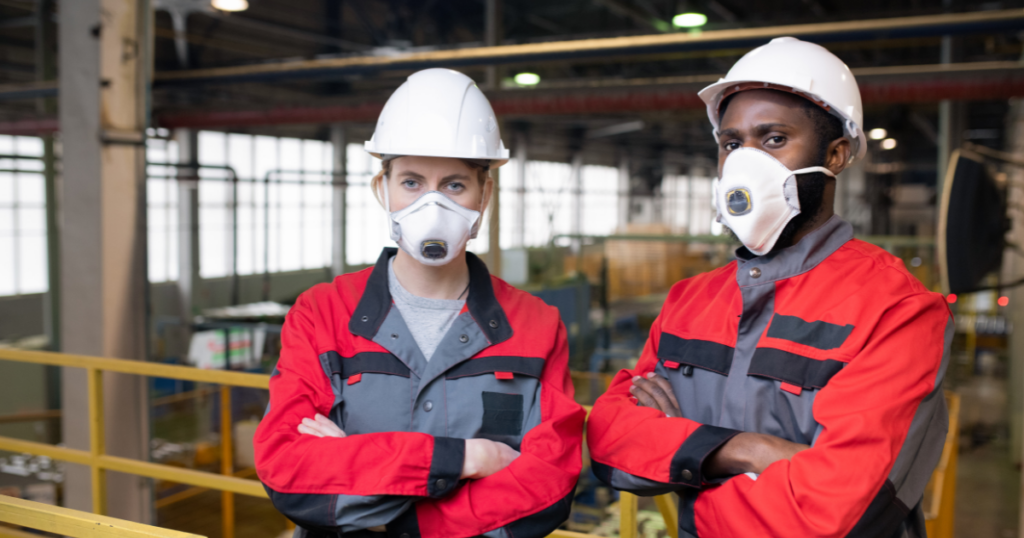

In the demanding world of industrial operations, ensuring the safety of your workforce is paramount. Selecting the right industrial safety equipment suppliers is a decision that directly impacts the well-being of your team and the overall efficiency of your operations. But with a myriad of options available, how do you navigate the landscape and make informed choices? It’s not just about finding the cheapest price; it’s about partnering with a supplier who understands your specific needs, provides quality products, and offers reliable support.
Choosing the correct supplier involves a thorough assessment of your workplace hazards, a clear understanding of the relevant safety standards, and a commitment to ongoing training and maintenance. This article will guide you through the process of selecting the best industrial safety equipment supplier for your business, ensuring a safer and more productive work environment.
Understanding your safety needs
Before you even begin to browse catalogues or request quotes, it’s crucial to conduct a comprehensive assessment of your workplace. What are the specific hazards your employees face? Are they exposed to dust, chemicals, noise, or heights? Identifying these risks will help you determine the type of safety equipment you need. Understanding your specific needs is the first step in finding a supplier who can meet them effectively.
Conducting a thorough risk assessment
A risk assessment isn’t just a tick-box exercise; it’s a critical process that involves identifying potential hazards, evaluating the likelihood and severity of incidents, and implementing control measures to mitigate those risks. This assessment should involve input from employees at all levels, as they are the ones who directly experience the workplace conditions. The more detailed and accurate your risk assessment, the better equipped you’ll be to select the appropriate safety equipment.
Identifying required safety equipment
Once you’ve identified the hazards, you can start compiling a list of the necessary safety equipment. This might include items such as hard hats, safety glasses, gloves, respirators, and hearing protection. For instance, if your employees are working in environments with airborne contaminants, you’ll need to consider respiratory protection options. Understanding the specific requirements of your industry and workplace is critical for finding the right equipment.
Evaluating potential suppliers
With a clear understanding of your safety needs, you can begin the process of evaluating potential suppliers. This involves considering a range of factors, including their product range, quality standards, certifications, and customer service. Don’t be afraid to ask questions and request references; a reputable supplier will be happy to provide you with the information you need to make an informed decision.
Product range and quality
A good supplier should offer a wide range of products to meet your diverse safety needs. However, quantity shouldn’t come at the expense of quality. Make sure the products meet relevant Australian Standards and are manufactured by reputable brands. Look for suppliers who can provide detailed product specifications and test results to ensure you’re getting reliable and effective safety equipment.
Certifications and compliance
Compliance with industry standards and regulations is non-negotiable when it comes to safety equipment. Check that the supplier holds relevant certifications, such as ISO 9001, and that their products are tested and certified to meet Australian Standards. This demonstrates their commitment to quality and ensures that you’re purchasing equipment that meets the required safety standards.
Customer service and support
Exceptional customer service is a hallmark of a reliable supplier. They should be responsive to your inquiries, provide expert advice, and offer ongoing support for their products. This includes assistance with product selection, training, and maintenance. A supplier who is invested in your success will be a valuable partner in ensuring the safety of your workforce.
Respiratory protection: a critical consideration
Respiratory hazards are a common concern in many industrial settings, making respiratory protection a vital aspect of workplace safety. From dust and fumes to gases and vapours, a range of airborne contaminants can pose a risk to your employees’ health. Selecting the right respiratory protection equipment is essential to minimise these risks.
Understanding different types of respirators
There are several types of respirators available, each designed to protect against specific hazards. These include air-purifying respirators, which filter contaminants from the air, and atmosphere-supplying respirators, which provide a source of clean air. Within these categories, there are further variations, such as disposable respirators, reusable respirators, and powered air-purifying respirators (PAPRs). Understanding the differences between these types of respirators is crucial for selecting the right one for your workplace.
When to use a papr
A papr, or powered air-purifying respirator, offers a higher level of protection compared to standard air-purifying respirators. These respirators use a blower to force air through a filter, providing a constant flow of clean air to the user. PAPRs are particularly useful in situations where workers are exposed to high concentrations of contaminants, or where they need to wear respirators for extended periods.
Choosing the right half face respirator
A half face respirator is a type of air-purifying respirator that covers the nose and mouth. These respirators are suitable for protecting against a range of airborne contaminants, including dust, fumes, and vapours. When selecting a half-face respirator, it’s important to ensure a proper fit and to choose the correct filter for the specific hazards present in your workplace.
The importance of proper fitting and training
Even the best safety equipment is ineffective if it’s not used correctly. Proper fitting and training are essential to ensure that employees are protected and that the equipment functions as intended. This includes teaching employees how to wear the equipment correctly, how to inspect it for damage, and how to maintain it properly. A reputable supplier will offer training and support to help you implement a comprehensive safety program.
The role of fit testing
Fit testing is a critical step in ensuring that respirators provide adequate protection. A fit test assesses the seal between the respirator and the wearer’s face, ensuring that there are no gaps that could allow contaminants to enter. Fit testing should be conducted regularly, and whenever a new type or size of respirator is introduced. It’s a process that can save lives.
Employee training and education
Training and education are essential components of any effective safety program. Employees need to understand the hazards they face, the purpose of the safety equipment, and how to use it correctly. Training should be ongoing and should be tailored to the specific needs of the workplace. Regular refresher courses can help ensure that employees stay up-to-date on best practices and safety procedures.
Building a long-term partnership
Choosing a supplier is not just a one-time transaction; it’s the beginning of a long-term partnership. Look for a supplier who is committed to your success and who is willing to work with you to improve your safety program over time. This includes providing ongoing support, offering expert advice, and staying up-to-date on the latest safety regulations and technologies.
Regular reviews and assessments
Your safety needs will change over time, so it’s important to conduct regular reviews and assessments of your safety program. This includes evaluating the effectiveness of your current safety equipment, identifying any new hazards, and updating your training programs as needed. A good supplier will be able to assist you with these reviews and assessments, helping you to stay ahead of the curve and maintain a safe and productive work environment.
Staying updated on safety regulations
Safety regulations are constantly evolving, so it’s important to stay informed about the latest changes. A reputable industrial safety equipment suppliers will keep you updated on these changes and will help you to ensure that your safety program is compliant with all relevant regulations. This includes providing information on new standards, offering training on updated procedures, and supplying equipment that meets the latest requirements.
Frequently asked questions
What are the key factors to consider when selecting a supplier?
When selecting a supplier, consider their product range, quality standards, certifications, customer service, and ability to provide ongoing support and training. A good supplier should be able to meet your specific needs and should be committed to your success.
How often should I conduct a risk assessment?
Risk assessments should be conducted regularly, at least annually, and whenever there are changes to the workplace or work processes. This ensures that you’re always aware of the potential hazards and that your safety program is up-to-date.
What is the importance of fit testing for respirators?
Fit testing is essential to ensure that respirators provide adequate protection. It assesses the seal between the respirator and the wearer’s face, ensuring that there are no gaps that could allow contaminants to enter. Fit testing should be conducted regularly and whenever a new type or size of respirator is introduced.
How can I ensure that my employees are using safety equipment correctly?
Provide comprehensive training and education to your employees on the proper use of safety equipment. This includes teaching them how to wear the equipment correctly, how to inspect it for damage, and how to maintain it properly. Regular refresher courses can help ensure that employees stay up-to-date on best practices and safety procedures.
How can a supplier help me improve my safety program?
A reputable supplier can provide ongoing support, offer expert advice, and stay up-to-date on the latest safety regulations and technologies. They can also assist you with regular reviews and assessments of your safety program, helping you to stay ahead of the curve and maintain a safe and productive work environment.

Comments are closed.