

Introduction
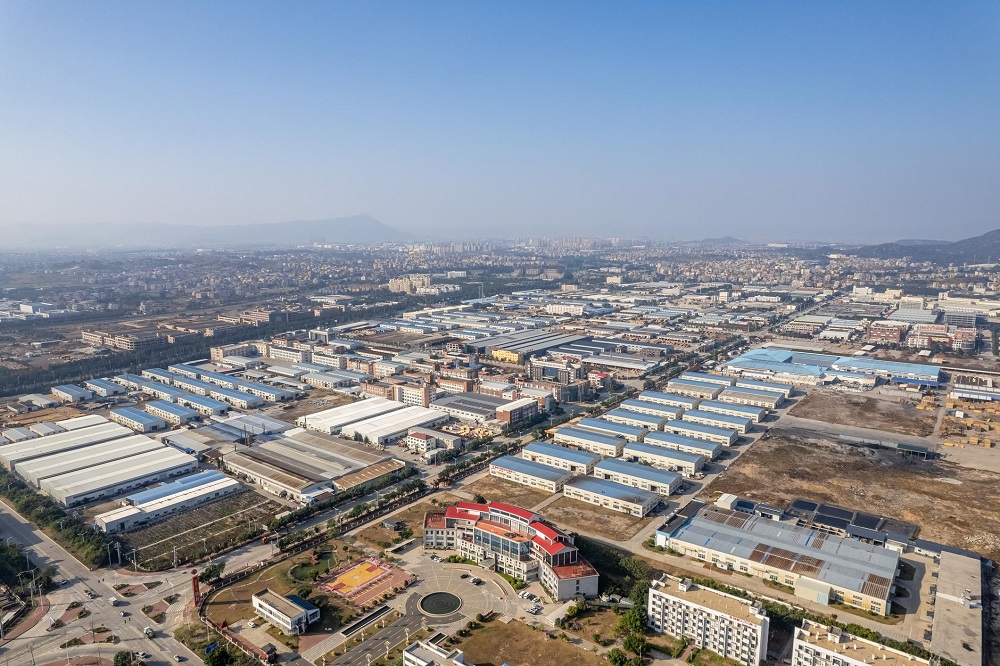
Urbanization is one of the most significant transformations shaping modern societies. Cities continue to expand as populations migrate from rural regions in search of employment, education, and improved living standards. Among the many forces driving this transition, industrial development remains one of the most influential contributors to urban expansion.
Industries stimulate economic activity, generate employment opportunities, and support infrastructure growth that attracts people and investment to urban centers. As production activities increase, cities evolve into hubs of innovation, transportation, commerce, and services. Understanding the relationship between industries and urbanization helps explain how modern cities grow and how they can develop sustainably in the future.
Industries not only influence economic progress but also shape the physical structure, social organization, and environmental conditions of expanding urban regions.
Understanding Urbanization Expansion
Urbanization expansion refers to the process through which cities grow in population, infrastructure, and geographic size. This growth occurs when people move into urban areas and when new industries, services, and transportation systems develop within city boundaries.
Urbanization expansion is influenced by several factors:
- Industrial development
- Employment opportunities
- Infrastructure investment
- Educational institutions
- Transportation networks
Among these factors, industries play a central role because they create the economic foundation that supports urban growth.
Industrialization as a Driver of Urban Growth
Industrialization stimulates the transformation of small settlements into large urban centers. Manufacturing facilities, processing plants, and production units attract workers from surrounding rural areas and smaller towns.
As industries expand, they generate demand for:
- Housing
- Transportation systems
- Healthcare services
- Educational facilities
- Commercial establishments
This demand encourages the development of urban infrastructure and accelerates city expansion. Industrial zones often become the starting point for new urban districts.
Employment Opportunities and Population Migration
One of the strongest connections between industries and urbanization expansion is employment generation. Industrial sectors create both direct and indirect job opportunities that attract large numbers of workers.
Direct employment includes:
- Manufacturing roles
- Technical positions
- Engineering services
- Production management jobs
Indirect employment includes:
- Transportation services
- Retail businesses
- Construction work
- Maintenance services
As employment opportunities increase, people migrate to cities in search of stable income and improved living conditions. This migration contributes significantly to urban population growth.
Development of Urban Infrastructure
Industries require strong infrastructure to operate efficiently. As industrial activity increases, governments and private investors expand transportation systems, utilities, and communication networks.
Infrastructure development supported by industrial growth includes:
- Road and highway construction
- Railway connectivity
- Electricity supply networks
- Water distribution systems
- Communication technology expansion
These improvements benefit both industrial operations and urban residents, accelerating city expansion and improving living standards.
Growth of Transportation Networks
Transportation systems are essential for industrial operations because they enable the movement of raw materials and finished goods. As industries expand, transportation infrastructure improves to support logistics efficiency.
Urban transportation improvements include:
- Expansion of public transit systems
- Construction of industrial corridors
- Development of freight terminals
- Improvement of urban road connectivity
Improved transportation networks encourage residential and commercial development around industrial zones, contributing to city expansion.
Industrial Clusters and Regional Development
Industrial clusters form when related industries locate near each other to benefit from shared resources, skilled labor, and supply chain efficiency. These clusters often become economic centers that accelerate urbanization expansion.
Benefits of industrial clusters include:
- Increased productivity
- Stronger collaboration between businesses
- Improved access to specialized labor
- Faster technology exchange
As clusters grow, they attract supporting services such as financial institutions, training centers, and research facilities, further strengthening urban growth.
Expansion of Housing and Residential Areas
Industrial expansion increases the demand for housing near employment centers. As workers relocate to cities, residential areas expand to accommodate growing populations.
Urban housing expansion includes:
- Construction of worker housing communities
- Development of suburban neighborhoods
- Expansion of apartment complexes
- Growth of mixed use residential zones
These developments contribute to the geographic expansion of cities beyond their original boundaries.
Growth of Commercial and Service Sectors
Industries stimulate the growth of commercial and service sectors that support urban populations. Retail businesses, healthcare facilities, financial services, and educational institutions expand alongside industrial development.
Examples of supporting service sector growth include:
- Shopping centers and markets
- Hospitals and clinics
- Schools and universities
- Banking and financial services
This expansion strengthens urban economies and improves quality of life for city residents.
Industrial Contribution to Economic Development
Industries form the backbone of urban economies by generating income, supporting exports, and increasing government revenue through taxes. Strong industrial activity enables cities to invest in infrastructure and public services.
Economic contributions of industries include:
- Increased employment levels
- Higher productivity rates
- Expansion of trade opportunities
- Strengthened investment attraction
Cities with strong industrial bases often experience faster and more stable growth compared to those dependent solely on service sectors.
Technological Advancement and Urban Modernization
Industries introduce advanced technologies that contribute to urban modernization. Modern production systems require digital infrastructure, skilled labor, and research institutions.
Technological contributions to urban expansion include:
- Development of innovation centers
- Growth of technical training institutions
- Expansion of digital communication systems
- Increased adoption of automation technologies
These developments transform cities into centers of technological progress and economic competitiveness.
Environmental Challenges Associated with Industrial Urbanization
Although industries support urban expansion, they also create environmental challenges that require careful management. Industrial emissions, waste generation, and increased energy consumption can affect urban sustainability.
Common environmental concerns include:
- Air pollution from industrial processes
- Water contamination risks
- Solid waste management challenges
- Increased urban heat levels
Sustainable industrial planning helps reduce environmental risks while supporting continued urban growth.
Role of Government Policies in Industrial Urban Expansion
Government policies influence how industries contribute to urbanization expansion. Strategic planning ensures that industrial development aligns with infrastructure capacity and environmental protection goals.
Policy measures supporting balanced urban expansion include:
- Establishment of industrial zones
- Investment in transportation networks
- Environmental regulation enforcement
- Incentives for technology adoption
Effective policies help cities manage growth responsibly while maximizing industrial benefits.
Industrialization and Social Transformation
Industrial growth changes social structures within urban areas by creating new employment opportunities and expanding access to education and services. Urban residents often experience improved living standards as industrial economies develop.
Social transformation associated with industrial urbanization includes:
- Expansion of middle income populations
- Increased educational access
- Improved healthcare availability
- Greater participation in skilled employment sectors
These changes contribute to long term urban stability and development.
Smart Industrial Development and Future Urban Expansion
Modern urban planning increasingly focuses on integrating industries with sustainable infrastructure systems. Smart industrial development supports efficient resource use and reduces environmental impact.
Future industrial urban strategies include:
- Development of eco friendly industrial parks
- Adoption of renewable energy systems
- Integration with smart transportation networks
- Use of digital monitoring technologies
These strategies help cities expand while maintaining environmental balance.
Challenges of Industrial Led Urban Expansion
Rapid industrial growth can create challenges if urban planning does not keep pace with population increases and infrastructure demands.
Common challenges include:
- Housing shortages
- Traffic congestion
- Pressure on public utilities
- Environmental degradation risks
Careful planning ensures that industrial expansion supports rather than disrupts urban development.
Conclusion
Industries play a central role in urbanization expansion by generating employment, supporting infrastructure development, and stimulating economic activity. Their influence extends beyond production facilities to shape transportation systems, housing development, and service sector growth within cities.
Balanced industrial planning helps cities expand efficiently while addressing environmental and social challenges. As urban populations continue to grow worldwide, industries will remain essential drivers of sustainable urban development.
Frequently Asked Questions
1. How do small scale industries contribute to urbanization expansion
Small scale industries create localized employment opportunities that encourage gradual population movement into developing urban areas.
2. What role do export oriented industries play in city growth
Export oriented industries increase foreign exchange earnings and attract infrastructure investment that supports urban expansion.
3. Can industries influence the location of new cities
Yes, industrial corridors and economic zones often guide the development of new urban settlements around production centers.
4. How do industries affect regional migration patterns
Industrial employment opportunities encourage migration from rural areas to urban regions with better job availability.
5. Why are industrial zones usually located near transportation networks
Proximity to transportation systems improves logistics efficiency and supports faster movement of goods and workers.
6. How does industrial expansion affect land use patterns in cities
Industrial development encourages the conversion of agricultural land into residential, commercial, and infrastructure zones.
7. What is the role of public private partnerships in industrial urban expansion
Public private partnerships support infrastructure investment, technology adoption, and sustainable planning in expanding industrial cities.

Comments are closed.