

Introduction
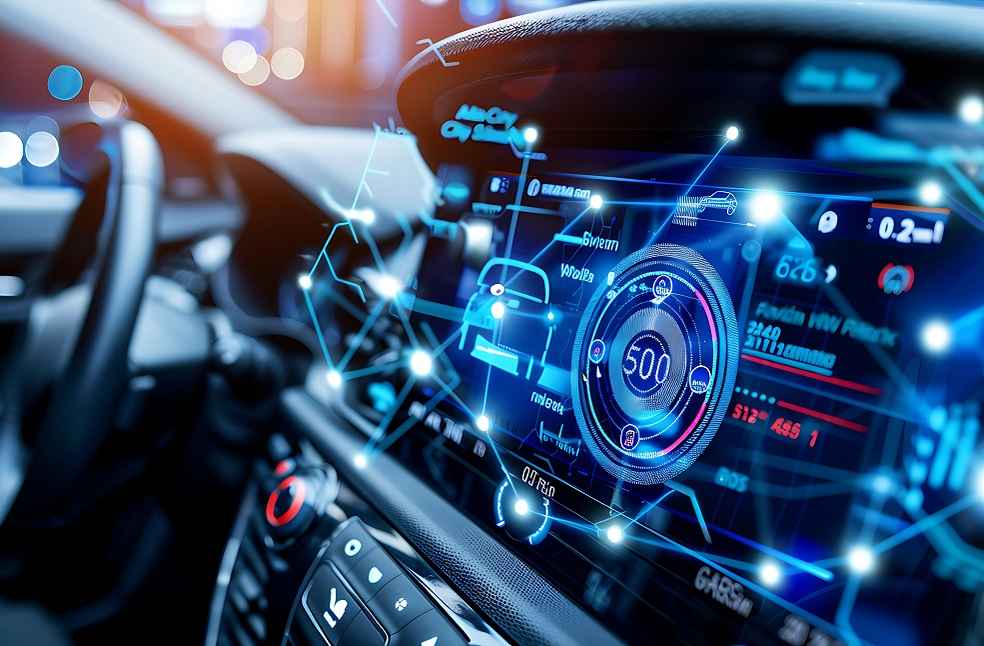
The automotive industry is experiencing one of the most significant transformations in its history. Advances in digital engineering, artificial intelligence, connectivity, and sustainability are reshaping how vehicles operate and how transportation systems function within modern cities. These developments are not limited to improving vehicle performance. They are redefining safety, efficiency, accessibility, and environmental responsibility across global mobility networks.
Future automotive technologies are creating smarter, cleaner, and more responsive transportation ecosystems. From electric propulsion to autonomous driving and intelligent infrastructure integration, innovation is moving beyond traditional vehicle design toward interconnected mobility platforms. Understanding these technologies helps explain how transportation systems are evolving to meet the demands of rapidly growing urban populations and environmental challenges.
Evolution of Automotive Technology
Transportation systems have progressed from mechanical innovation to digital intelligence. Early improvements focused on engine performance and reliability. Today, the focus has shifted toward sustainability, automation, and connectivity.
Modern vehicles are becoming mobile computing platforms equipped with sensors, communication systems, and software capable of interacting with drivers, infrastructure, and other vehicles. This transition represents a shift from isolated transportation units to cooperative mobility ecosystems.
Key drivers of this transformation include:
- Environmental sustainability goals
- Urban congestion challenges
- Rapid advancements in artificial intelligence
- Consumer demand for safer transportation
- Expansion of smart city infrastructure
These factors are accelerating the integration of next generation automotive technologies worldwide.
Electric Vehicles and Sustainable Mobility
Electric vehicles are among the most influential technologies shaping the future of transportation systems. Unlike conventional vehicles powered by internal combustion engines, electric vehicles operate using battery powered electric motors that produce zero tailpipe emissions.
The widespread adoption of electric vehicles supports cleaner air and reduced greenhouse gas emissions, especially in densely populated cities.
Major advantages of electric vehicles include:
- Lower operating costs compared to gasoline vehicles
- Reduced environmental impact
- Quiet operation
- Improved energy efficiency
- Compatibility with renewable energy sources
Governments and urban planners are investing heavily in charging infrastructure to support the transition toward electrified mobility. As battery technology continues to improve, vehicle range and charging speed are expected to increase significantly.
Autonomous Driving Technology
Autonomous vehicles represent a major step toward safer and more efficient transportation systems. These vehicles use artificial intelligence, cameras, radar, sensors, and mapping technologies to navigate roads without continuous human control.
Self driving systems analyze surrounding traffic conditions in real time and respond faster than human drivers in many situations. This capability reduces the likelihood of accidents caused by distraction, fatigue, or human error.
Autonomous vehicles operate through several technological layers:
- Environmental perception using sensors
- Decision making through machine learning algorithms
- Vehicle control through automated steering and braking systems
- Communication with traffic infrastructure
As autonomous systems become more advanced, they are expected to transform both personal transportation and commercial logistics operations.
Connected Vehicle Technology
Connected vehicle technology enables cars to communicate with other vehicles, traffic systems, and digital networks. This communication supports safer driving decisions and more efficient traffic flow.
Vehicle connectivity operates through multiple communication channels:
- Vehicle to vehicle communication
- Vehicle to infrastructure communication
- Vehicle to cloud communication
- Vehicle to pedestrian communication
These communication systems allow vehicles to exchange information about speed, location, traffic signals, and road hazards in real time. As a result, drivers receive early warnings that improve safety and reduce congestion.
Connected mobility also supports navigation optimization by identifying faster routes based on live traffic conditions.
Artificial Intelligence in Automotive Systems
Artificial intelligence is becoming the foundation of intelligent transportation. It enhances vehicle performance, improves safety features, and supports predictive maintenance.
AI powered systems help vehicles analyze large volumes of data generated by sensors and cameras. This data supports real time decision making in complex driving environments.
Applications of artificial intelligence in automotive systems include:
- Driver assistance systems
- Collision avoidance technologies
- Voice controlled vehicle interfaces
- Predictive maintenance alerts
- Traffic flow optimization
AI also supports autonomous driving technologies by enabling vehicles to learn from real world driving experiences.
Advanced Driver Assistance Systems
Advanced driver assistance systems improve safety by supporting drivers during complex traffic situations. These systems reduce accident risks and improve vehicle control during emergencies.
Common driver assistance features include:
- Lane departure warning systems
- Adaptive cruise control
- Automatic emergency braking
- Blind spot monitoring
- Parking assistance technology
These features represent an intermediate step between manual driving and full vehicle automation. As technology improves, driver assistance systems will become more integrated and intelligent.
Smart Transportation Infrastructure
Future automotive technologies depend heavily on smart infrastructure that supports communication between vehicles and transportation networks. Intelligent roads, connected traffic signals, and digital monitoring systems improve traffic coordination across cities.
Smart infrastructure enables:
- Real time traffic signal adjustments
- Faster emergency vehicle routing
- Reduced congestion during peak hours
- Improved pedestrian safety
- Efficient public transportation scheduling
These systems form the foundation of intelligent transportation networks that support both autonomous and connected vehicles.
Hydrogen Fuel Cell Vehicles
Hydrogen fuel cell vehicles offer another promising solution for sustainable transportation. These vehicles generate electricity through chemical reactions between hydrogen and oxygen rather than relying on combustion engines.
Fuel cell vehicles provide several benefits:
- Zero tailpipe emissions
- Fast refueling times
- Long driving range
- Reduced reliance on fossil fuels
Although hydrogen infrastructure is still developing, fuel cell technology is expected to play a significant role in heavy transportation sectors such as buses and freight vehicles.
Vehicle Sharing and Mobility as a Service
Modern transportation systems are shifting from ownership based models toward shared mobility services. Mobility as a service platforms integrate ride sharing, car sharing, and public transportation into unified digital systems.
Benefits of shared mobility include:
- Reduced traffic congestion
- Lower transportation costs
- Efficient use of vehicle fleets
- Reduced parking demand in cities
- Improved accessibility for urban residents
Digital platforms allow users to plan routes, reserve vehicles, and complete payments through integrated applications.
Internet of Things Integration in Vehicles
The Internet of Things connects vehicles with smart devices, infrastructure systems, and cloud platforms. This integration supports real time monitoring and improved vehicle performance.
IoT applications in automotive systems include:
- Remote vehicle diagnostics
- Real time navigation updates
- Smart parking assistance
- Over the air software updates
- Fleet management optimization
IoT connectivity improves transportation efficiency while supporting predictive maintenance and reduced downtime.
Cybersecurity Challenges in Future Vehicles
As vehicles become more connected, cybersecurity becomes a critical concern. Protecting digital vehicle systems from unauthorized access ensures safe and reliable operation.
Cybersecurity strategies include:
- Encryption of communication systems
- Secure software update mechanisms
- Network monitoring tools
- Authentication protocols for connected services
Automotive cybersecurity will remain a priority as digital connectivity continues to expand across transportation systems.
Role of 5G Technology in Smart Mobility
High speed communication networks are essential for supporting connected vehicles and intelligent transportation systems. Fifth generation wireless technology enables faster data exchange between vehicles and infrastructure.
5G supports transportation systems by enabling:
- Real time traffic communication
- Faster response times for autonomous vehicles
- Improved navigation accuracy
- Enhanced vehicle to infrastructure interaction
- Reliable communication in dense urban environments
This connectivity strengthens coordination between vehicles and smart transportation networks.
Impact of Future Automotive Technologies on Urban Planning
Urban planners are adapting infrastructure designs to support emerging transportation technologies. Future cities will incorporate integrated mobility networks that prioritize efficiency and sustainability.
Urban planning strategies influenced by automotive innovation include:
- Development of electric vehicle charging networks
- Dedicated autonomous vehicle lanes
- Smart traffic management centers
- Integration of public transit with digital mobility platforms
- Expansion of pedestrian friendly transportation zones
These developments support balanced transportation ecosystems that reduce congestion and environmental impact.
Environmental Benefits of Advanced Automotive Technologies
Future automotive technologies contribute significantly to environmental sustainability. Electrification, intelligent traffic systems, and shared mobility solutions reduce fuel consumption and emissions across transportation networks.
Environmental benefits include:
- Reduced greenhouse gas emissions
- Improved air quality in urban areas
- Lower dependence on fossil fuels
- Increased use of renewable energy sources
- Reduced noise pollution
These improvements support global climate goals while enhancing public health outcomes.
Economic Opportunities in Automotive Innovation
Technological transformation in transportation systems is creating new economic opportunities across industries. Automotive innovation supports job creation in engineering, software development, infrastructure construction, and energy systems.
Key growth sectors include:
- Battery manufacturing
- Autonomous vehicle software development
- Charging infrastructure installation
- Smart mobility platform services
- Transportation data analytics
These industries are shaping the future workforce of the mobility sector.
Challenges Facing Future Automotive Technologies
Despite rapid progress, several challenges remain in implementing advanced transportation technologies on a large scale.
Major challenges include:
- High infrastructure investment costs
- Regulatory uncertainty
- Cybersecurity risks
- Public acceptance of autonomous vehicles
- Limited charging and hydrogen refueling networks
Addressing these challenges requires collaboration between governments, manufacturers, and technology providers.
Conclusion
Future automotive technologies are transforming transportation systems into intelligent, connected, and sustainable mobility networks. Electrification, automation, artificial intelligence, and digital infrastructure integration are redefining how vehicles interact with people and cities.
As these technologies continue to evolve, transportation systems will become safer, more efficient, and environmentally responsible. The future of mobility will depend on cooperation between technology developers, policymakers, and communities working together to create smarter transportation ecosystems.
Frequently Asked Questions
1. How will autonomous vehicles affect insurance policies in the future
Insurance models are expected to shift from driver liability toward manufacturer and software provider responsibility as vehicle automation increases.
2. What role will cloud computing play in future transportation systems
Cloud computing supports large scale data processing, navigation updates, remote diagnostics, and communication between connected vehicles and infrastructure networks.
3. Are future vehicles expected to eliminate traditional steering systems completely
Fully autonomous vehicles may reduce the need for manual steering controls, but transitional vehicle models will likely retain them for safety and regulatory reasons.
4. How will smart mobility technologies improve emergency response services
Connected transportation systems can prioritize emergency vehicles through traffic signal coordination and route optimization.
5. What skills will be important for careers in future automotive technology fields
Skills in artificial intelligence, cybersecurity, battery engineering, data analytics, and software development will be increasingly valuable.
6. How will automotive innovation influence rural transportation systems
Advanced technologies can improve connectivity, enable shared mobility services, and expand access to essential transportation in remote areas.
7. Will future transportation systems reduce dependence on private vehicle ownership
Integrated mobility platforms and shared vehicle services are expected to reduce reliance on personal car ownership in many urban environments.

Comments are closed.